



How Will I Feel After the Massage or Bodywork Session? |
 |
| Most people feel very relaxed. Some experience freedom from
long-term aches and pains developed from tension or repetitive
activity. After an initial period of feeling slowed down, people
often experience increased energy, heightened awareness, and
greater productivity, which can last for days. Since toxins are
released from your soft tissues during a massage, it is
recommended you drink plenty of water afterward. |
| What Are the Benefits of Massage and Bodywork? |
| Massage and bodywork can help release chronic muscular
tension and pain, improve circulation, increase joint
flexibility, reduce mental and physical fatigue and stress,
promote faster healing of injured muscular tissue, improve
posture, and reduce blood pressure. Massage and bodywork are
also known to promote better sleep, improve concentration,
reduce anxiety, and create an overall sense of well-being. |
| Are There Any Medical Conditions That Would Make Massage or
Bodywork Inadvisable? |
| Yes. That’s why it’s imperative that before we begin your
session, we ask general health questions. It is very important
that you inform your practitioner of any health problems or
medications you are taking. |
| During a massage bodywork session Will I Be Covered During
the Session? |
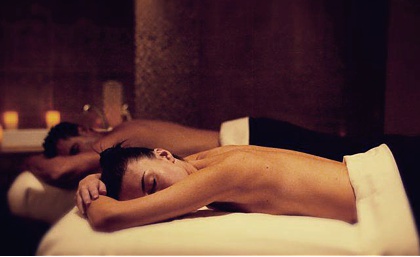
| You will be properly draped at all times to keep you warm
and comfortable. Only the area being worked on will be exposed. |
| What Parts of My Body Will Be Massaged? |
| We will discuss the desired outcome of your session. This
will determine which parts of your body require massage. A
typical full body session will include work on your back, arms,
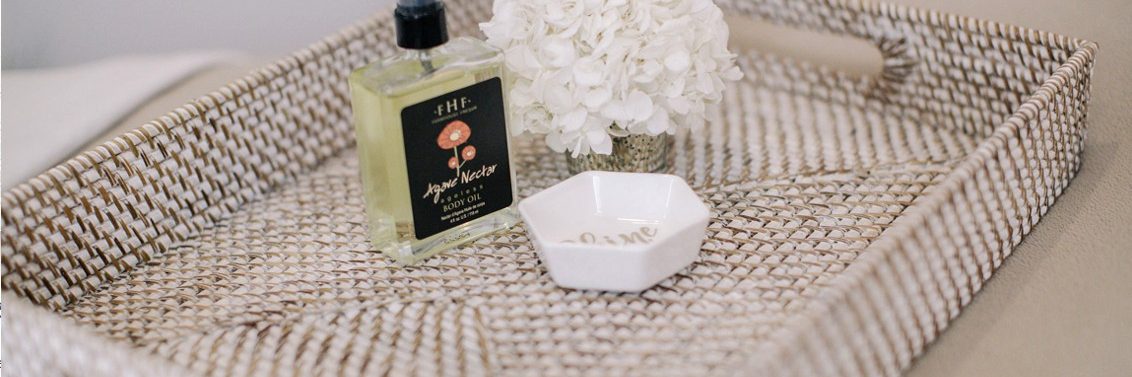
legs, feet, hands, head, neck, and shoulders. A light oil or
lotion may be used to permit your muscles to be worked on
without causing excessive friction to the skin. The lubricants
used will hydrate the skin and be readily absorbed. |
| What Will the Massage or Bodywork Feel Like? |
| It depends on the techniques used. In a general Swedish
massage, your session will start with broad, flowing strokes
that will help to calm your nervous system and ease exterior
muscle tension. As your body becomes relaxed, pressure will
gradually be increased to relax and relieve specific areas of
muscular tension. You should communicate with your practitioner
immediately if you feel any discomfort so that another approach
may be taken. Massage and bodywork are most effective when your
body is not resisting. |
| How Long Will the Session Last? |
| The average full-body massage or bodywork session lasts
approximately one hour. A half-hour appointment only allows time
for a partial massage session, such as neck and shoulders, back,
or legs and feet. Many people prefer a 60- to 90- minute session
for optimal relaxation. Always allow relaxation time prior to
and after the session. |
| What Should I Do During the Massage or Bodywork Session? |
| Make yourself comfortable. The practitioner will either
gently move you or tell you what is needed throughout the
session. Many people just close their eyes and completely relax.
Feel free to ask the practitioner questions about massage and
bodywork in general or about the particular technique you are
receiving. |
| Where Will My Massage or Bodywork Session Take Place? |
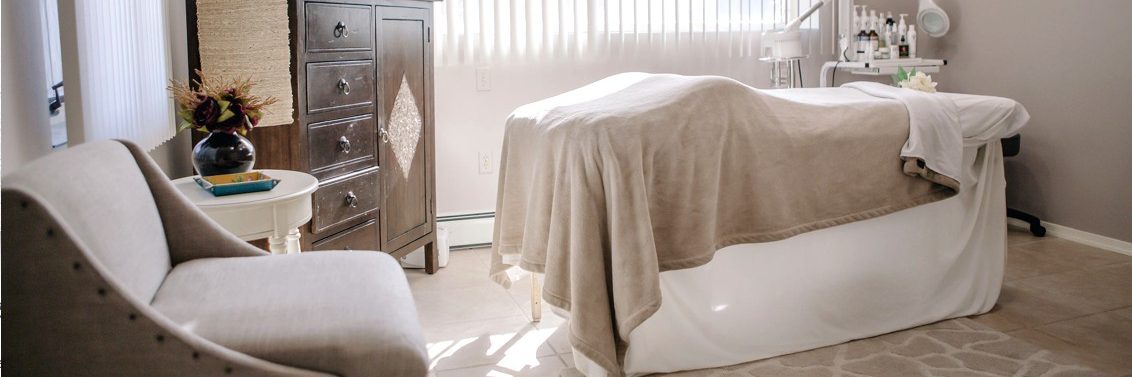
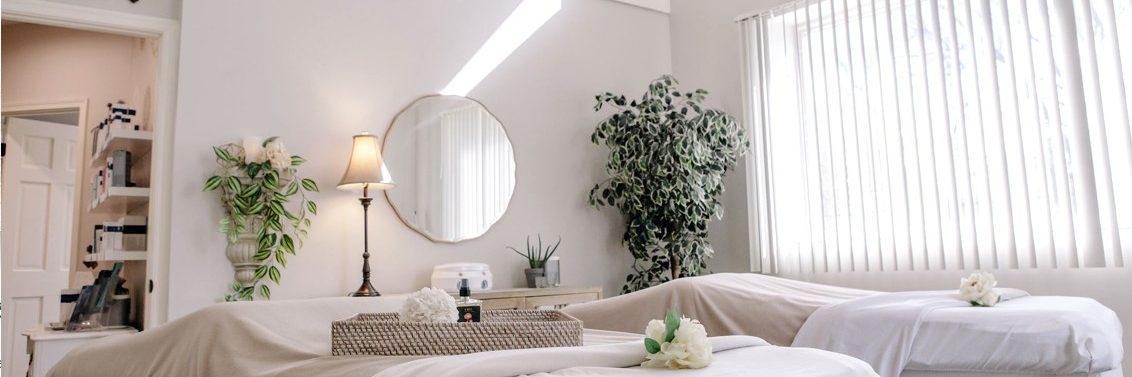
| Your massage or bodywork session will take place in a warm,
comfortable, quiet room. Soft music will be played to help you
relax. You will lie on a table especially designed for your
comfort. |
| Must I Be Completely Undressed? |
| Most massage and bodywork techniques are traditionally
performed with the client unclothed; however, you may decide
what amount of clothing you prefer to wear for your own comfort.
You will be properly draped during the session. |
| Why Should I Get A Massage? |
| Massage provides relief to people from all walks of life —
the weekend or competitive athlete, the home gardener, and the
overstressed executive struggling to keep pace in today’s
economy. Secretaries, laborers, and waitresses — anyone can feel
a need for massage at some point in time. The older population,
as well, will benefit from massage, as it enhances flexibility
and circulation. The bedridden can also be helped in this
regard. There are some conditions where massage is not
recommended, however. Your practitioner should ask for
information regarding any specific health conditions from which
you may be suffering in order to determine if massage, bodywork,
or somatic therapies are contraindicated. In some cases, the
practitioner may need your doctor’s permission before providing
services. |
| Will My Insurance Cover Massage or Bodywork Services? |
| If you are in a car accident or have a job-related injury
covered by workers’ compensation, insurance may cover massage,
bodywork, or somatic therapies when prescribed by a physician.
If your insurance covers chiropractic or osteopathic services,
the services of a bodywork professional may be covered when
prescribed by a chiropractor or osteopath. Therapies provided as
part of the prescribed treatment by a physician or registered
physical therapist are often covered. The best thing to do is
check with your insurance company to see exactly what is covered
under what circumstances.
Taking Care of Yourself Care of your body should be at the
top of your priority list. You will feel and look better if you
take the necessary steps regarding health and nutrition in this
age of increased longevity. Stress relief alone can improve your
vitality and state of mind. Massage and bodywork could play an
important role in your life. Massage for Pain and Emotional
Problems With many chronic ailments, massage can relieve the
pain and help heal. As with physical problems, emotional
problems may also be stimulated into self-healing with massage.
In many cases, this helps eliminate the need to take harmful
chemical drugs, which will unnecessarily burden the liver,
kidneys, and other vital organs. Massage is considered to be
among the oldest of all treatments used by man. Chinese records
dating back 3,000 years documented its use. The ancient Hindus,
Persians, and Egyptians used forms of massage for some ailments,
and Hippocrates wrote papers recommending the use of rubbing and
friction for joint and circulatory problems. Today, massage is
an accepted part of many physical rehabilitation programs and
has proven beneficial to many chronic conditions such as low
back pain, arthritis, and bursitis. Massage helps relieve the
stress and tension of everyday living. |
| I received a gift certificate for a specific service; may I
use it towards another service of my choice? |
| Absolutely. |